
Hardscaping Designed for Foot Traffic and Weather
Brick Pavers in Twin Lakes for patios, walkways, and outdoor living spaces requiring durable, low-maintenance surfaces
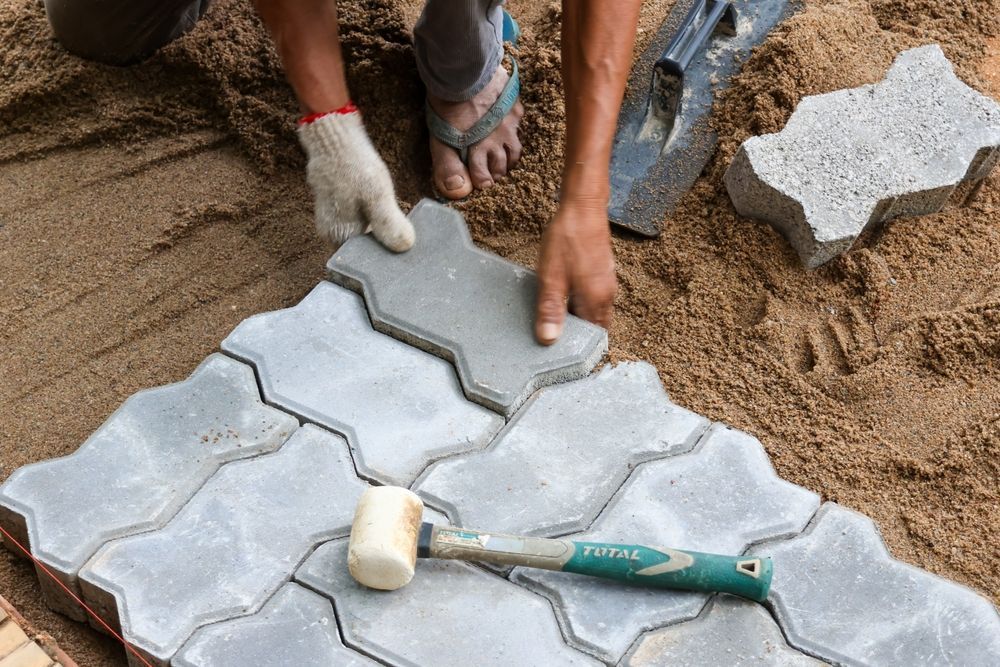
Paver installations create stable walking surfaces and defined outdoor areas that handle freeze-thaw cycles better than poured concrete, which cracks when moisture infiltrates and expands during Wisconsin winters. Advanced Tree and Stump Removal installs brick pavers in patterns and layouts that complement existing landscaping while providing functional spaces for seating areas, pathways, and entries that remain level and intact through seasonal ground movement. The individual units can be removed and reset if underground utilities require access or if ground settling creates minor unevenness, a flexibility that solid concrete slabs don't offer.
Custom paver installations begin with excavation to the depth needed for proper base layers—typically six to eight inches of compacted gravel that provides drainage and prevents the surface from shifting under weight. Edge restraints are installed to contain the pavers and prevent lateral creep, and sand is swept into the joints between units to lock them together and inhibit weed growth. The completed surface distributes weight across many small units rather than concentrating stress on a single slab, which is why pavers handle vehicle traffic and heavy furniture without cracking.
Request a site evaluation to review layout options and material choices suited to your property's grading and drainage conditions.
The base preparation involves grading to establish proper slope away from structures, ensuring water sheds toward drainage areas rather than pooling on the paver surface or against foundations. Compaction equipment is used to eliminate voids in the base material, which prevents settling that would create dips or uneven sections once the pavers are in place. Geotextile fabric is often installed beneath the gravel base in areas with clay soils prone to shifting, adding a separation layer that maintains base integrity over time.
Once installation is complete, you'll notice a surface that remains walkable immediately without curing time, unlike poured concrete that requires days to harden before use. The joints between pavers allow water to percolate through rather than running off as sheet flow, reducing puddling and ice formation during freeze events. Pavers that become stained or damaged can be individually replaced without disturbing the surrounding area, and the surface can be disassembled and reinstalled if landscape changes or utility work require it years later.
Color and texture options vary based on the brick style selected, with choices ranging from tumbled pavers that mimic aged stone to smooth-faced units that provide contemporary aesthetics. The pattern in which pavers are laid—running bond, herringbone, basket weave—affects both visual appearance and structural interlock, with herringbone patterns offering the most resistance to shifting under vehicular loads. These decisions are made during the design phase based on how the space will be used and what architectural style the installation should complement.
Answers to Frequent Paver Questions
Homeowners throughout Twin Lakes often ask about installation timing, maintenance needs, and how pavers perform compared to other hardscape materials.
What makes brick pavers more durable than concrete in Wisconsin climates?
Individual pavers flex independently as the ground freezes and thaws, which prevents the large-scale cracking that occurs when monolithic concrete slabs are forced to move as a single rigid unit. Water that infiltrates between pavers drains into the base layer instead of being trapped within the material where it can freeze and cause spalling.
How long does a typical paver installation take from start to finish?
Small walkway projects may be completed in one to two days, while larger patio installations requiring extensive base preparation can take several days depending on site conditions and design complexity. Weather delays occur if rain saturates the work area before base compaction is complete, since proper drainage relies on working with dry base materials.How long does a typical paver installation take from start to finish?
When should pavers be sealed after installation?
Sealing is optional and depends on whether you want to intensify color and add stain resistance or prefer the natural weathered appearance pavers develop over time. If sealing is desired, it's applied after the installation has settled for several weeks and after any polymeric sand used in joints has fully cured.
How do you prevent weeds from growing between pavers in Twin Lakes?
Polymeric sand swept into the joints hardens when activated with water, creating a semi-solid barrier that inhibits weed seeds from establishing between units. The geotextile fabric beneath the base layer also prevents weeds from emerging from below, though windblown seeds can still germinate in surface joints if organic debris accumulates.
What's involved in maintaining pavers once they're installed?
Occasional sweeping to remove debris and periodic re-sanding of joints as material erodes over time are the primary maintenance tasks. Pavers can be pressure washed to remove stains, though care is needed to avoid dislodging joint sand, and individual units that crack or become damaged are replaced by removing the affected piece and setting a new one in its place.
Advanced Tree and Stump Removal designs paver installations that integrate with site grading and drainage requirements, ensuring the hardscape functions properly within the broader landscape. Schedule a consultation to explore layout options and material selections that match your property's needs and aesthetic preferences.