Rapid Response When Trees Threaten Safety
Emergency Services in Twin Lakes for storm damage, fallen trees, and urgent hazards requiring immediate attention
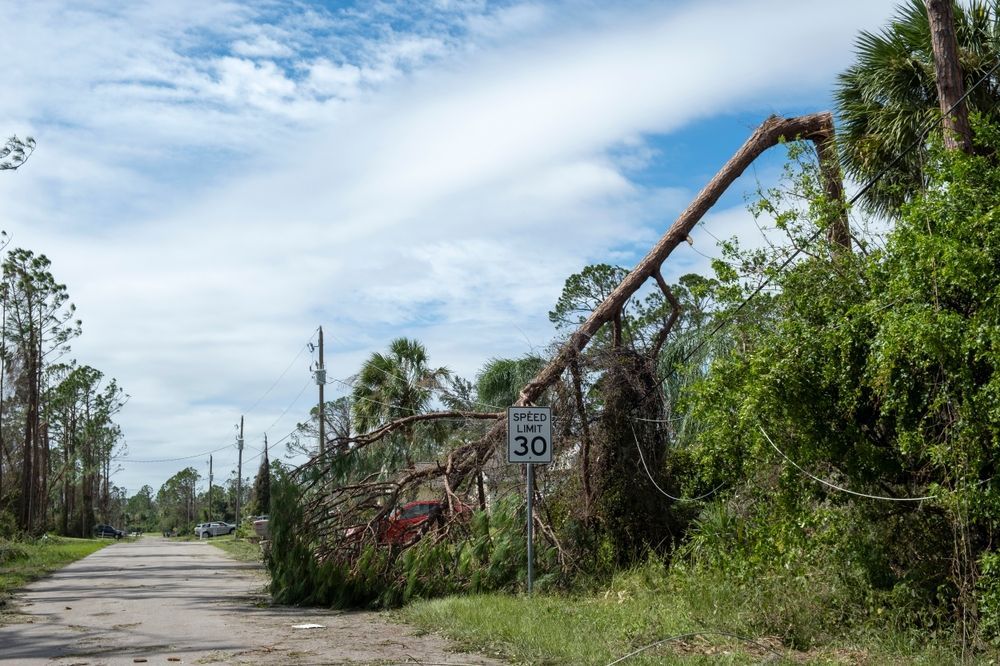
Trees that fall across driveways, rest on roofs, or lean against power lines create safety hazards that require immediate response to prevent further damage and restore property access. Advanced Tree & Stump Removal provides emergency service for situations where tree failure has already occurred or imminent collapse threatens structures, vehicles, or utilities. These calls typically follow severe weather events common in Wisconsin, including summer thunderstorms with straight-line winds, ice storms that load branches beyond their breaking point, and heavy wet snow that snaps weakened limbs.
Emergency response prioritizes safety by stabilizing or removing hazards before addressing cleanup and debris removal. The work involves assessing which trees or limbs pose immediate risk, determining whether structures have sustained damage that affects removal strategy, and coordinating with utility companies when power lines are involved or tree contact has created electrical hazards.
Call immediately when tree damage blocks access, threatens structures, or creates unsafe conditions on your property.
Trees that have partially failed but remain standing can shift without warning as internal wood fibers continue tearing under the weight of unsupported sections. Limbs resting on roofs concentrate load on small areas not designed to carry sustained pressure, causing shingle damage that lets water penetrate sheathing and creates interior leaks within hours during rain events. Fast removal prevents secondary damage that occurs when initial failures are left unaddressed, such as trees that fall completely and strike structures they were only leaning against, or root plates that heave upward and sever underground utilities as the tree settles.
After emergency tree removal, your property is cleared of hazards that prevented safe access or threatened additional damage, with debris either removed immediately or staged for pickup depending on the urgency of restoring function. Driveways and entrances become passable, roofs are freed from weight that could cause collapse, and leaning trees are eliminated before wind shifts cause complete failure.
Emergency work focuses on hazard elimination rather than comprehensive cleanup, though full debris removal can be completed once immediate risks are controlled. Some situations require partial removal to stabilize dangerous sections followed by scheduled work to complete the job when conditions improve or daylight allows safer access to elevated portions.
Questions Before Calling for Emergency Help
Understanding what qualifies as an emergency and what happens during response helps property owners make timely decisions.
What situations require emergency tree service rather than scheduled work?
Emergencies involve trees or limbs that have fallen on structures, block critical access, create electrical hazards through utility contact, or show imminent failure signs like major cracks or severe leaning that developed suddenly after storms.
How quickly can emergency response reach properties in Twin Lakes?
Response times depend on call volume during widespread storm events and travel conditions, but crews prioritize situations involving structural contact, utility hazards, or complete access blockages over less critical damage like yard debris.
What happens if a fallen tree is touching power lines?
Property owners should never approach trees in contact with power lines and must contact the utility company first to de-energize lines before tree removal can safely proceed, as electrical current can travel through wet wood and energize the entire tree.
What equipment is used for emergency tree removal in hazardous conditions?
Crews use chainsaws, rigging systems, and cranes depending on tree position and surrounding obstacles, with equipment selection prioritizing controlled removal that prevents additional damage to structures or landscapes during the extraction process.What equipment is used for emergency tree removal in hazardous conditions?
How is debris handled during emergency response?
Immediate hazard removal may involve cutting trees into sections and moving them off structures or access routes with final cleanup scheduled separately, though complete debris removal can happen immediately if conditions allow and the situation doesn't require extended work under unsafe conditions.
Advanced Tree & Stump Removal maintains equipment and trained crews ready to respond when storm damage or sudden tree failures create urgent hazards. Contact us directly when emergency tree situations develop on your property.