Preventing Decline Through Routine Maintenance
Tree Treatments and Care in Twin Lakes for mature landscapes requiring health monitoring and preventative maintenance
Mature trees representing decades of growth can decline rapidly when stress, disease, or pest infestations go unnoticed until visible canopy dieback appears. Advanced Tree and Stump Removal provides ongoing inspections and treatments that identify problems early—nutrient deficiencies, fungal infections, boring insect activity, and structural weaknesses—before they compromise the tree's long-term survival. Regular care extends the productive lifespan of high-value specimens and prevents the expense of emergency removal when preventable problems become irreversible.
Care programs include visual inspections of canopy density, bark condition, and root zone health to detect changes indicating stress or disease. Treatments address specific issues like soil compaction from construction activity, nutrient imbalances causing chlorosis, and pest populations that weaken trees over successive seasons. Preventative measures focus on maintaining vigor so trees resist opportunistic infections and recover from environmental stress like drought or winter injury common in southeastern Wisconsin.
Request routine care plans to maintain tree health and catch developing problems before they require intensive intervention.
Inspections track changes in growth rate, leaf color, and branch dieback that signal declining health before the tree becomes hazardous or unsalvageable. Treatments are tailored to observed conditions—soil amendments for nutrient deficiencies, targeted applications for pest control, and corrective pruning to remove diseased wood and improve airflow through dense canopies. The goal is maintaining trees in vigorous condition so they compartmentalize wounds effectively and resist secondary infections that exploit weakened specimens.
With regular care, you'll notice trees maintain full canopies without progressive thinning, and leaf color remains consistent rather than showing yellowing or premature browning. Bark stays intact without splitting or sunken areas indicating internal decay, and branch growth continues at rates typical for the species and age class. Trees under care programs also withstand storm events better because routine pruning removes structurally weak wood before it fails under load, and maintained vigor supports rapid wound closure after damage occurs.
Care programs are customized based on tree species, age, site conditions, and observed health trends rather than following fixed schedules. Some issues require multiple treatment cycles to resolve, particularly soil compaction or nutrient imbalances that developed over years. The service focuses on preservation and does not include removal or major structural work, though inspections identify when such work becomes necessary.
What Property Managers Ask About Tree Care
Ongoing care raises questions about timing, what gets evaluated, and how treatments prevent larger problems.
What conditions indicate a tree needs treatment rather than just trimming?
Yellowing foliage, premature leaf drop, canopy thinning, bark cracks, fungal growth on the trunk, and reduced annual growth all suggest underlying health issues requiring diagnosis and treatment. Trimming addresses structure, while care programs address physiological problems affecting vigor.
How often should mature trees be inspected for health issues?
Annual inspections catch most problems early, though high-value trees or those showing stress may benefit from more frequent monitoring. Inspections are ideally scheduled in late spring when foliage is fully developed and health indicators are most visible.
What types of treatments are used to maintain tree health?
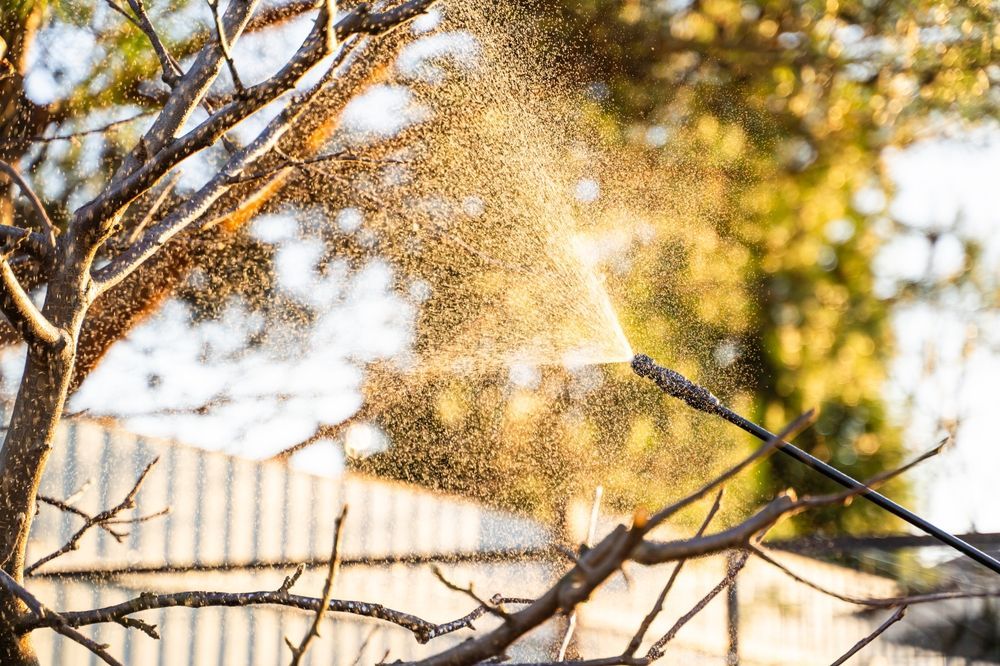
Treatments include soil aeration to reduce compaction, nutrient supplementation for deficiencies, pest management for boring insects or defoliators, and disease control for fungal infections. Each treatment is selected based on diagnosed conditions rather than applied preventatively without cause.
How does routine care in Twin Lakes address local pest and disease pressures?
Southeastern Wisconsin trees face threats from emerald ash borer, oak wilt, and various defoliating insects that peak in different seasons. Care programs monitor for these region-specific problems and implement treatments timed to pest life cycles for maximum effectiveness.
What's the return on investing in tree care versus waiting for problems to develop?
Preventative care costs a fraction of removal and replacement, and maintains property values tied to mature landscape features. Trees lost to preventable decline take decades to replace, while maintained trees continue providing shade, aesthetic value, and storm protection indefinitely.
Advanced Tree and Stump Removal develops care plans based on Arbor Master principles and thirty years of field observation. Contact the team to establish routine maintenance that protects your landscape investment and prevents avoidable tree loss.