Reducing Storm Risk Through Strategic Branch Removal
Tree Trimming in Twin Lakes for overgrown canopies threatening rooflines, power lines, and walkways
Branches scraping against rooflines during wind events or hanging over power lines create predictable failure points during ice storms and summer thunderstorms common to the Twin Lakes area. Advanced Tree and Stump Removal provides precision trimming that removes these high-risk sections while preserving the tree's structural balance and long-term health. The service focuses on clearance zones around structures and utilities, reducing the likelihood of property damage when weather conditions deteriorate.
Trimming involves selective removal of branches based on weight distribution, growth angle, and proximity to targets like roofs or power lines. The crew identifies crossing branches that rub and create wounds, co-dominant stems that split under ice load, and deadwood that breaks unpredictably. Cuts are made at branch collars to promote proper wound closure and prevent decay from entering the main trunk.
Arrange an assessment to identify which branches need removal before the next storm season.
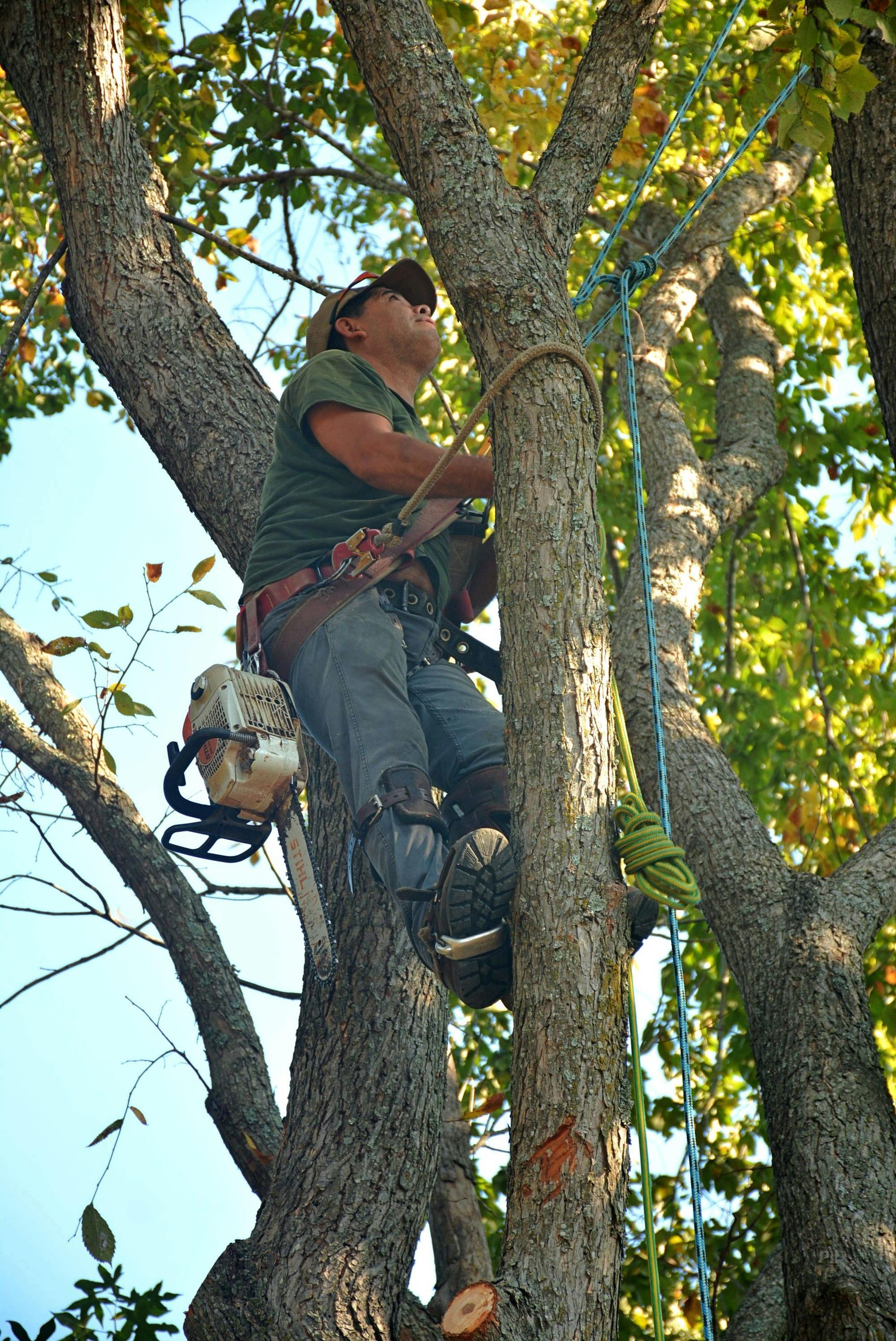
Proper trimming removes weight from extended limbs before they develop cracks or splits, and eliminates branches growing at narrow angles that fail under load. The crew uses rope rigging to lower heavy sections without tearing bark or damaging branches below. Cuts are positioned to encourage outward growth away from structures rather than inward growth that crowds the canopy and restricts airflow.
After trimming, you'll notice increased clearance between branches and your roof, eliminating the scraping noise during wind and reducing the accumulation of leaves in gutters. Trees develop better light penetration through the canopy, which improves photosynthesis and reduces interior dieback. The absence of deadwood means fewer broken branches falling into your yard after storms, and reduced risk of limbs contacting power lines during ice accumulation events typical in southeastern Wisconsin winters.
Trimming does not include stump work or complete tree removal, and it's most effective when performed seasonally rather than as a one-time project. Some trees require multiple-year training to correct structural problems developed over decades of unmanaged growth. The timing of cuts affects wound response, with late winter trimming preferred for most species before spring growth begins.
Answers to Common Trimming Questions
Property owners often need clarity on timing, what gets removed, and how trimming affects tree health going forward.
What types of branches are removed during trimming?
Trimming targets deadwood, crossing branches that rub and wound each other, limbs growing toward structures or utilities, and weight-heavy sections extending beyond the tree's balance point. Branches with narrow crotch angles that split under ice load are also priority removals.
How often should trees be trimmed for best results?
Most mature trees benefit from trimming every three to five years, though trees near structures or power lines may need attention more frequently. Fast-growing species and trees in high-wind exposure areas require more regular maintenance to manage storm risk.
When is the best time to schedule trimming in Twin Lakes?
Late winter before bud break is ideal for most species, as wounds close quickly once spring growth starts and insect activity is minimal. Avoid trimming oaks during spring and early summer when oak wilt transmission risk is highest.
How close can branches be to power lines before trimming is required?
Utility companies typically require clearance zones of several feet depending on voltage, but homeowners should address branches within falling distance of lines even if not currently touching. Ice accumulation can bend branches down into contact with lines they normally clear.
What's the difference between trimming and topping?
Trimming removes selective branches to improve structure and reduce risk, while topping cuts the main trunk or leaders indiscriminately, causing decay, weak regrowth, and shortened tree lifespan. Proper trimming preserves the tree's natural form and promotes long-term health.
Advanced Tree and Stump Removal tailors trimming plans to your property's specific exposure and tree species. Request a consultation to develop a seasonal maintenance approach that reduces storm damage risk and extends tree lifespan.