
Seasoned Wood Ready for Immediate Use
Firewood in Twin Lakes for residential heating, outdoor fire pits, and wood-burning stove fuel
Firewood that burns cleanly and produces consistent heat comes from wood that's been properly processed and dried to reduce moisture content below twenty percent, which prevents excessive smoke and creosote buildup in chimneys. You're buying wood sourced from clean tree removal projects throughout the Twin Lakes area, processed into uniform lengths that fit standard fireplaces and wood stoves without requiring additional cutting. Advanced Tree and Stump Removal supplies firewood cut from hardwood species that deliver longer burn times and higher heat output compared to softwoods that burn quickly and leave minimal coals.
The firewood is split to sizes that allow air circulation during burning, which improves combustion efficiency and reduces the amount of unburned material left as ash. Wood is sourced from trees removed for safety or property development reasons, meaning it comes from mature specimens with dense grain structure that translates to better burning characteristics. Delivery can be arranged based on volume needs, whether you're stocking up for winter heating or maintaining a supply for occasional recreational fires.
Contact Advanced Tree and Stump Removal to confirm current availability and schedule delivery based on your storage capacity.
Quality firewood is identified by visible cracks radiating from the center of each piece, indicating the wood has dried sufficiently that internal moisture has escaped and the cellular structure has contracted. Wood that feels lighter than expected for its size has reached the moisture level needed for efficient burning, while heavy pieces that feel damp likely retain too much water and will produce more smoke than heat. The bark on well-seasoned wood separates easily from the underlying wood, another indicator that drying has progressed properly.
After burning seasoned hardwood, you'll notice longer intervals between adding logs, cleaner glass on wood stove doors, and significantly less creosote accumulation in the chimney compared to burning green or improperly dried wood. The fire establishes quickly without excessive smoke during the initial burn phase, and coals remain hot enough to reignite new logs without needing to rebuild the fire from scratch. These characteristics make a measurable difference in how much wood you consume over a heating season and how often chimney cleaning becomes necessary.
Firewood is sold by volume rather than weight, since moisture content dramatically affects weight but doesn't reflect the actual amount of burnable material you're receiving. A cord measures four feet high by four feet deep by eight feet long when stacked, and reputable suppliers deliver full cords or fractions thereof rather than using vague measurements like truckloads that vary based on vehicle size and how loosely the wood is piled.
Common Questions About Ordering Firewood
Customers in Twin Lakes typically want to know about wood quality, delivery logistics, and how much to order for their specific heating needs.
What species of wood should you burn in a fireplace versus a wood stove?
Oak, maple, and ash are preferred hardwoods that burn slowly and produce sustained heat suitable for both fireplaces and wood stoves, while softer woods like pine ignite quickly and work better as kindling or for short recreational fires. Wood stoves benefit from denser hardwoods that maintain coals overnight, whereas open fireplaces can handle a wider variety since combustion efficiency matters less without an enclosed firebox.
How much firewood does a typical winter require in southeastern Wisconsin?
A household relying on wood as supplemental heat typically consumes two to three cords per winter, while those using wood as a primary heat source may need five to seven cords depending on home insulation and how consistently the stove runs. Ordering early in fall ensures you have adequate supply before temperatures drop and delivery schedules fill up.
When is the best time to purchase firewood for the upcoming season?
Late spring and summer allow newly cut wood additional months to dry before burning season begins, though seasoned wood available immediately works for those who need supply without waiting. Wood stacked in a covered area with good airflow continues drying after delivery, so buying ahead and storing it properly improves burning quality even further.
How should firewood be stacked to maintain quality after delivery?
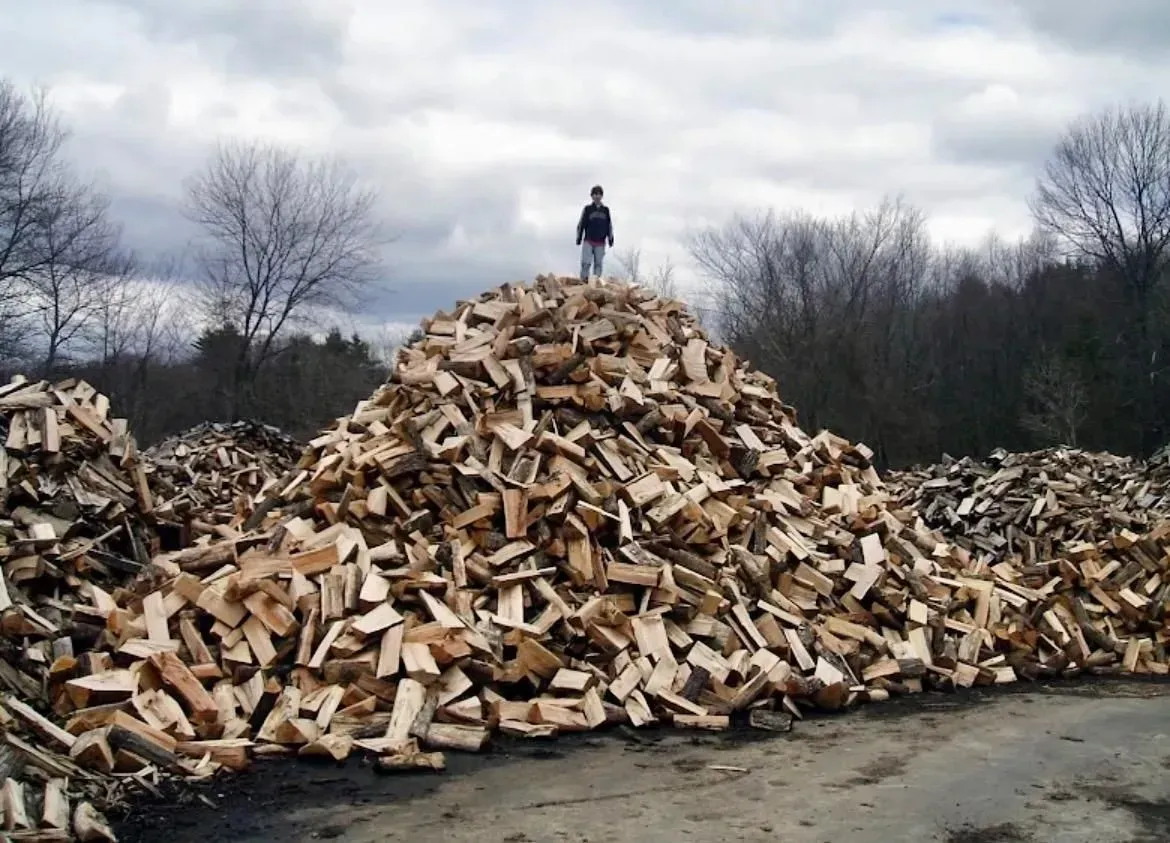
Wood stacked in a single row with space between pieces dries faster than wood piled in large mounds where interior pieces remain damp. Elevating the bottom layer off the ground using pallets or rails prevents moisture wicking from soil, and covering only the top of the stack while leaving sides exposed allows continued airflow that prevents mold growth.
What's included when firewood is bundled with tree removal projects in Twin Lakes?
Trees removed from your property can be processed into firewood as part of the removal service, eliminating disposal costs while providing you with usable wood. This option works best when the tree species are suitable for burning and when you have space to store the volume produced, which can be substantial depending on the tree's size.
Advanced Tree and Stump Removal maintains firewood inventory sourced from local tree work, and availability fluctuates based on recent removal projects and seasonal demand. Reach out to verify current stock levels and arrange delivery or pickup that fits your timeline and storage setup.