
Outdoor Spaces Built for Function and Appearance
Landscaping in Twin Lakes for property improvements requiring design, installation, and ongoing maintenance coordination
Full-service landscaping addresses drainage problems, establishes planting beds that support plant health, and creates outdoor areas that extend usable property space beyond the structure itself. Advanced Tree and Stump Removal designs landscapes that integrate with tree placements, hardscape installations, and grading requirements, ensuring water flows away from foundations while plants receive adequate light and soil conditions suited to their growth habits. You're working with a provider that coordinates tree work and landscape installation as a unified project, eliminating the inefficiencies and conflicts that arise when separate contractors sequence work without understanding how each phase affects the next.
Landscaping installations begin with site assessment to identify existing drainage patterns, sun exposure throughout the day, and soil composition that determines which plants will thrive without constant intervention. Grading adjustments may be required to correct low spots where water pools or slopes that direct runoff toward structures, and these corrections are completed before planting or hardscaping begins. The design process accounts for mature plant sizes, seasonal interest, and maintenance requirements that match the property owner's willingness to prune, fertilize, and manage growth over time.
Schedule a property consultation to review current landscape conditions and discuss design options that align with how you use outdoor spaces.
Landscape installations include soil amendments to improve drainage and fertility in planting areas, mulch applications that suppress weeds and retain moisture, and edging that defines beds and prevents grass encroachment into planted areas. Plant selection considers Wisconsin hardiness zones and species that tolerate the freeze-thaw cycles, summer heat stress, and moisture variability common to southeastern Wisconsin. Irrigation may be installed in areas where established plantings require supplemental water during dry periods, though native and adapted species often perform well without permanent watering systems once root systems develop.
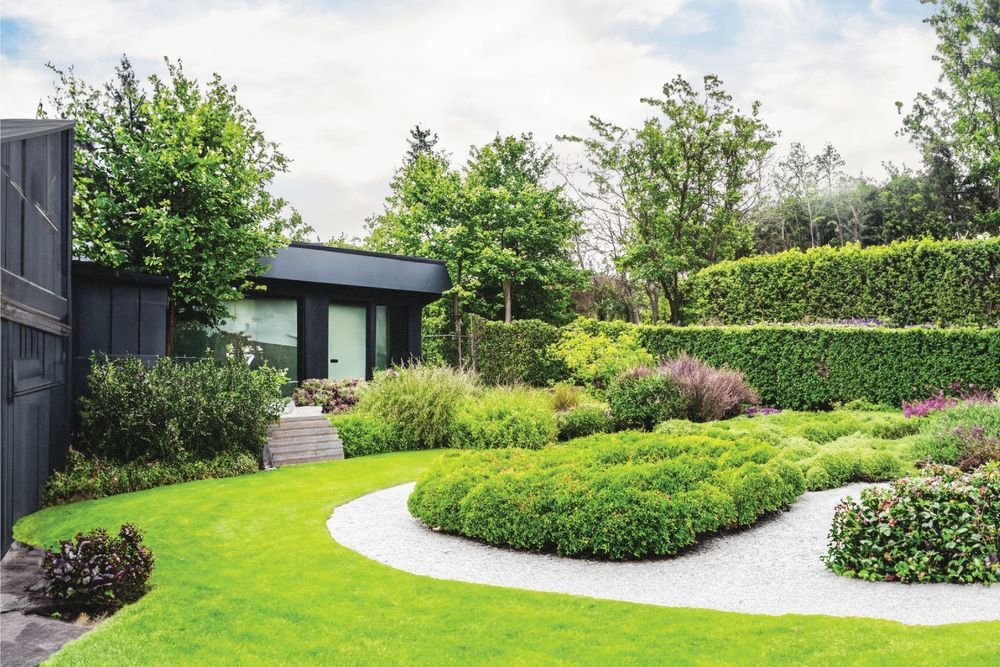
After installation, you'll notice defined outdoor zones that separate functional areas like walkways and patios from planted beds designed for visual interest and privacy screening. Properly graded landscapes shed water during rain events without creating erosion channels or standing water, and plants establish more quickly when placed in appropriate light and soil conditions rather than being forced into incompatible locations. Maintenance needs become predictable as the landscape matures, with seasonal pruning, mulch replenishment, and selective plant replacement forming the ongoing care routine.
Landscaping often coordinates with tree removal or hardscape projects, since clearing unwanted trees opens planting opportunities and installing pavers or retaining walls requires grading that affects surrounding landscape design. Sequencing these elements correctly prevents rework and ensures grading, drainage, and plantings function as an integrated system rather than isolated improvements that conflict with each other.
Common Questions About This Service
Property owners across Twin Lakes typically want to understand design timelines, maintenance expectations, and how landscape work integrates with other site improvements.
What's the difference between landscape design and landscape installation?
Design involves creating a plan that specifies plant locations, hardscape elements, grading changes, and material selections based on site conditions and client preferences. Installation executes that plan, which includes physical work like excavation, planting, and construction that transforms the property according to the design specifications.
How long does it take for a new landscape to look established in Twin Lakes?
Perennials and shrubs typically require two to three growing seasons to reach mature size and fill in planted areas, while trees may take five to ten years depending on species and planting size. Mulch and strategic plant spacing create immediate visual impact while the landscape matures, and seasonal color from annuals can supplement permanent plantings during the establishment phase.
When should landscaping projects be scheduled to ensure plant survival?
Spring and fall are preferred planting windows when temperatures are moderate and rainfall is more consistent, giving plants time to develop root systems before facing summer heat stress or winter dormancy. Summer installations require more intensive watering, and winter planting is generally avoided except for certain tree and shrub species that tolerate dormant-season transplanting.
How does landscaping improve property drainage and prevent foundation problems?
Grading that slopes away from structures directs surface water toward drainage areas or collection systems, preventing saturation near foundations that can lead to basement seepage and settling. Planting beds designed with drainage in mind use amended soil that percolates water rather than creating waterlogged zones where plants fail and mosquitoes breed.
What maintenance does a new landscape require beyond watering?
Mulch replenishment every one to two years maintains weed suppression and soil insulation, while pruning controls plant size and removes dead or damaged growth that detracts from appearance. Fertilization schedules depend on plant types and soil fertility, and pest or disease issues are addressed as they arise based on monitoring and early detection.
Advanced Tree and Stump Removal coordinates landscaping with tree services and hardscape installations to create outdoor spaces that function properly and require manageable maintenance over time. Request a site assessment to explore design possibilities and discuss how landscape improvements fit within your broader property goals.