Ground Preparation for Construction and Development
Land Clearing in Twin Lakes for properties requiring vegetation removal before building or landscaping projects
Wooded lots and overgrown parcels in Twin Lakes often contain a mix of mature trees, saplings, brush, and decomposing organic material that must be removed before construction equipment can operate safely or grading can begin. Advanced Tree & Stump Removal clears vegetation and debris to expose underlying soil conditions, allowing surveyors and builders to assess drainage patterns and plan foundation placement without obstructions. The service handles everything from small residential lots to multi-acre parcels where selective clearing preserves desirable trees while removing growth that interferes with development plans.
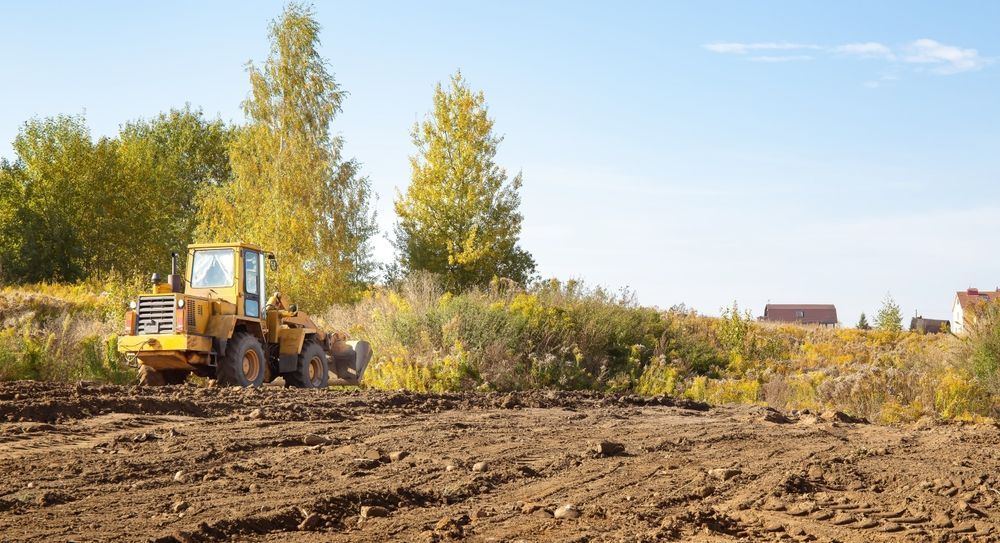
The clearing process involves cutting vegetation at ground level, grinding stumps below grade, and removing root masses that would interfere with compaction or utility installation. Equipment selection depends on lot size and soil moisture, with tracked machines distributing weight better on soft ground and wheeled loaders moving faster on firm terrain.
Arrange a site assessment to identify clearing boundaries and discuss debris disposal methods that fit your project timeline.
Clearing removes the surface layer of organic material that compresses unevenly under weight and decomposes over time, creating voids beneath structures or paved areas. Stumps ground six to eight inches below finished grade prevent interference with utility trenches and allow clean fill to be placed without future settling. Properties cleared to mineral soil also reveal drainage issues that weren't visible when vegetation absorbed runoff, letting you address grading problems before construction begins rather than discovering them after foundations are poured.
After clearing is complete, your property shows a level or graded surface free of stumps, roots, and brush piles, with soil conditions visible enough for engineers to test compaction and plan drainage infrastructure. Construction equipment can access all areas without navigating around trees or risking damage to underground root systems, and material deliveries can be staged efficiently without clearing additional pathways mid-project.
The scope of clearing varies depending on whether you're preparing for a single building pad, installing septic systems, creating access roads, or opening land for pasture or agricultural use. Some projects require selective preservation of specimen trees or buffer zones, while others involve complete removal followed by topsoil placement.
Answers to Frequent Service Questions
Land clearing decisions depend on project goals and site conditions specific to each property.
What happens to the debris after vegetation is removed?
Brush and wood are typically chipped for mulch, hauled off-site, or burned in compliance with local regulations, depending on volume and your preference for material reuse or complete removal.
How does clearing differ for construction sites versus landscaping projects?
Construction clearing removes everything to bare soil and grinds stumps deep enough for foundation work, while landscaping preparation may involve selective removal that preserves existing trees and leaves topsoil layers intact for planting.
What equipment is used for clearing wooded properties in Twin Lakes?
Tracked excavators with grapple attachments handle tree removal and root extraction on uneven terrain, while skid steers with forestry mulchers work efficiently on flatter lots with dense brush and smaller diameter growth.
When should land clearing be scheduled relative to construction timelines?
Clearing should happen before site surveys and engineering work so professionals can evaluate actual ground conditions, typically several weeks before grading or utility installation begins to allow time for settling and drainage observation.
How deep are stumps ground during the clearing process?
Stumps are ground six to twelve inches below the planned finish grade depending on what will be built above them, with deeper grinding required for areas that will support structures or pavement compared to zones designated for landscaping.
Advanced Tree & Stump Removal coordinates clearing work with project schedules to avoid delays in subsequent construction phases. Contact our team to discuss equipment access requirements and clearing depth specifications for your development plans.