Protecting Property When Trees Become Liabilities
Tree Removal in Twin Lakes for storm-damaged, unstable, or hazardous trees threatening structures
Advanced Tree and Stump Removal handles tree removal across Twin Lakes and surrounding areas when trees pose immediate risks to roofs, power lines, driveways, or neighboring properties. The company uses professional lift equipment to reach trees growing too close to structures or in positions where conventional ground-based cutting would cause property damage. Thirty years of field experience means the crew recognizes instability patterns before trees collapse during high winds or ice storms common to southeastern Wisconsin.
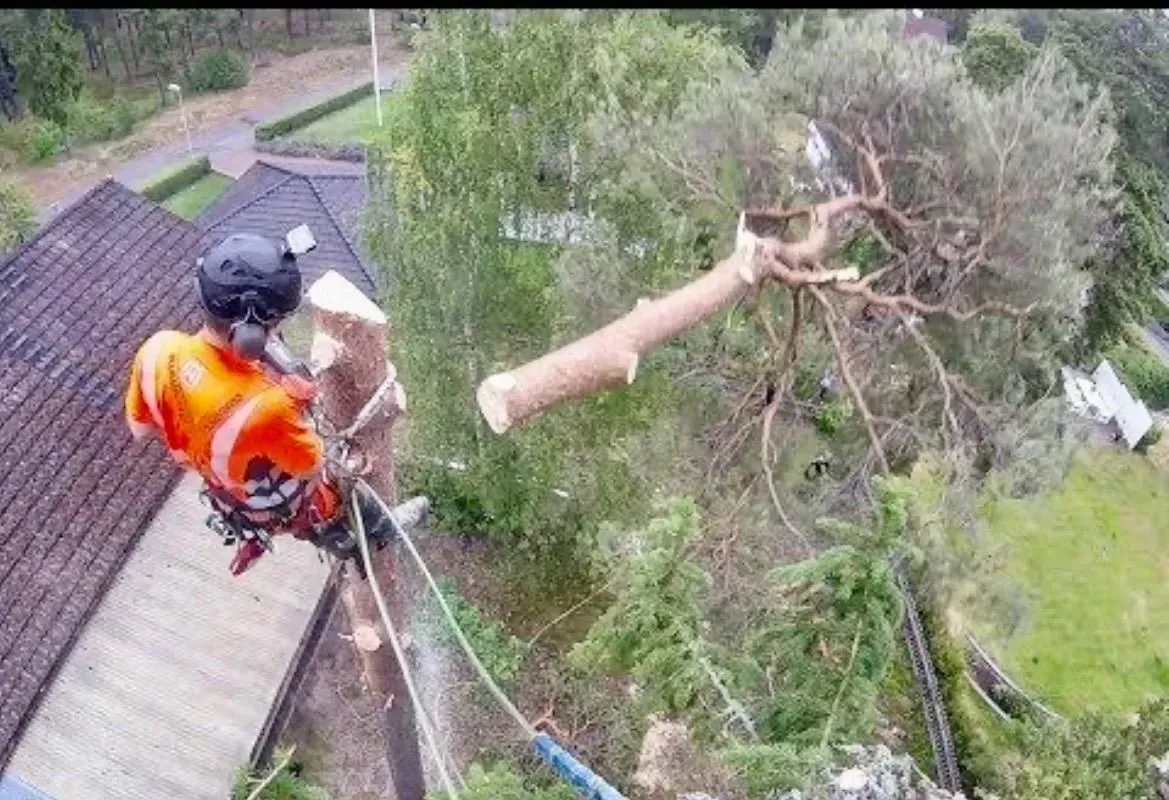
The removal process begins with assessing the tree's lean, root stability, and proximity to structures or utilities, then determining the safest direction for controlled sectioning. Large trees are removed in sections from the top down using lift equipment, preventing damage to landscaping, fencing, or buildings below. Dead trees lose structural integrity unpredictably, so removal involves rigging and controlled lowering rather than standard felling techniques.
Schedule a property evaluation to determine the safest removal approach for trees near your home or outbuildings.
The crew begins by clearing the work zone and setting up stabilization equipment for trees with compromised balance or hollow trunks. Lift services allow controlled cutting at height, especially for trees leaning toward structures or entangled in power lines, where ground-level cuts would cause uncontrolled falls. Each section is lowered deliberately to avoid impact damage to driveways, patios, or root zones of nearby trees you want to preserve.
After removal, you'll notice the immediate elimination of the hazard—no more widowmaker branches overhead, no trunk leaning progressively closer to your roofline during windstorms, and no root heave damaging your foundation or underground utilities. The site is cleared of debris, and wood is either removed or cut to your specifications for firewood. The absence of the tree also changes sunlight patterns across your yard, often improving conditions for lawn growth or allowing new landscaping plans.
Removal scope includes limb disposal and trunk sectioning but does not include stump grinding unless specifically requested. Trees removed due to disease may require additional cleanup protocols to prevent pathogen spread to healthy trees on your property. The timeline depends on tree size, access limitations, and whether utility clearance is required before work begins.
What Homeowners Ask About Removal Projects
Removal work often raises questions about timing, equipment needs, and what happens to the wood and debris afterward.
What determines whether a tree should be removed instead of trimmed?
Trees with more than 50 percent dead canopy, significant trunk rot, root damage from construction or disease, or severe lean toward structures are typically removal candidates rather than trimming projects. Trimming can't restore structural integrity once the trunk or root system is compromised.
How does lift equipment protect surrounding property during removal?
Lift platforms position crew members to cut and lower sections in controlled directions, avoiding the wide fall radius required for ground-level felling. This method is essential in Twin Lakes residential areas where trees stand within feet of homes, garages, or neighbor property lines.
When is emergency removal necessary versus scheduled work?
Emergency removal applies when trees have split trunks resting on structures, uprooted root balls tilting against foundations, or large branches suspended in power lines after storms. Scheduled removal addresses standing dead trees, progressive lean, or clearing for construction before conditions become urgent.
What happens to the wood after the tree is removed?
Wood is hauled away as part of standard service, though you can request sections be cut and stacked for firewood use. Diseased trees are removed entirely to prevent spore or pest transfer to firewood storage areas.
How is removal priced for large trees near structures?
Cost factors include tree height, trunk diameter, proximity to buildings or utilities, access for equipment, and whether the tree is dead and brittle or alive and stable. Trees requiring utility coordination or crane services involve additional logistics and timing considerations.
Advanced Tree and Stump Removal provides free on-site estimates that account for site-specific access and safety requirements. Contact the crew to assess hazardous trees before seasonal storms increase the risk of structural failure.